If you’ve ever had to leave an appointment with a doctor and received the prescription for an MRI, CT scan, or X-ray scan, you may have wondered why the particular exam was selected. After all, each one provides images of what’s going on within the body. Why shouldn’t they be interchangeable?
Modern diagnostic imaging is more like an instrument box. The information provided by each technique differs, and it depends on what part of the body you are studying and the medical query you’re trying determine. The Wolfsburg Diagnostic Centre provides a variety of imaging technology to accommodate exams to meet the various diagnostic needs.
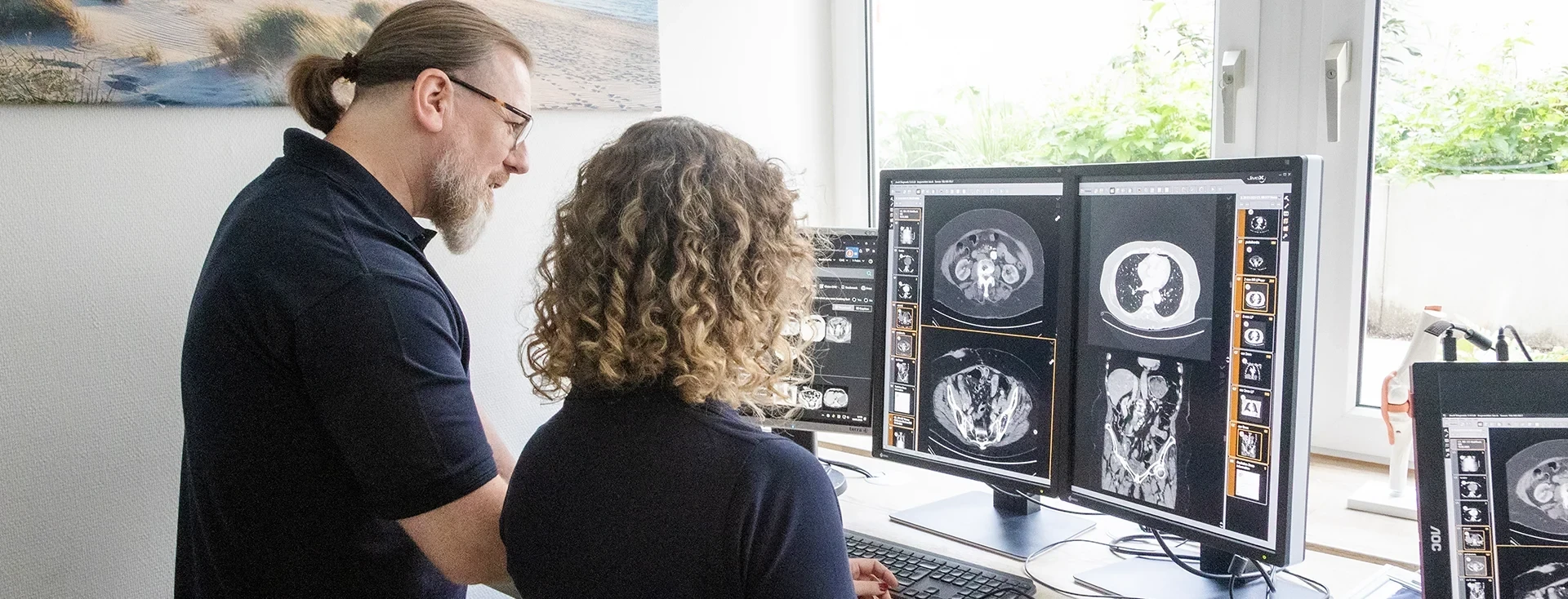
Image credit: diagnostikzentrum-wolfsburg.de
MRI Looks at the Body With No Ionizing Radiation
Magnetic resonance imaging, also known as MRI employs radiofrequency technology as well as magnetic fields rather than ionizing radiation to create detailed pictures. MRI is a method to visualize soft tissue organs, joints, joints as well as various internal structures. Patients with joint problems, for instance, may require more information than what can be obtained by a standard Xray.
The Wolfsburg Diagnostic Center provides prostate MRI and full-body MRI tests. These programs take advantage of MRI’s capability to create clear images, but without exposing patients to radiation ionizing.
CT provides detailed cross sectional views
CT approaches imaging in a different way. CT imaging is created by combining X-rays with computer processing. CT images are created by cutting them into slices rather than creating a single image. This permits doctors to look at specific medical issues.
The center is equipped with the latest low-dose CT technology that is designed to minimize radiation exposure while still obtaining essential diagnostic information. CT imaging is also able to assist in treatment. Periradicular Therapy, also known as PRT makes use of CT guidance to target injections of nerve tissue that has been irritated.
The well-known X-ray has an important function to play
The practice of radiography as a standard isn’t out of date. Digital Xray diagnostics can give pictures quickly and are a necessity for various examinations, specifically when physicians need to evaluate bones and structures. Digital devices are also more efficient and emit less radiation than traditional methods.
Sometimes, the most complex test isn’t the most appropriate one. The most effective way to diagnose is by selecting technologies that is based on the clinical questions, not just the latest machine.
Breast Imaging Has Its Own special technology
Mammography was specifically designed to aid in breast-related diagnostics. The Wolfsburg Diagnostic Center also provides 3D mammography (also called tomosynthesis) as well as conventional mammography. This technique creates multiple images which can be transformed into a layer view of breast tissue. It is crucial to utilize the right imaging technique because different parts of the body present different difficulties for diagnosing.
A fresh image can be enhanced with an old image
The scan of the body offers valuable data. An earlier scan can add something equally valuable: A comparison. Learn more by clicking here MRT Wolfsburg
If doctors have older pictures and findings, they may be better at assessing the changes in time rather and interpret the results of the current examination in isolation. Patients are advised to bring their previous scans and results to appointments.
Technology is more effective when patients are aware of the process
The Wolfsburg Diagnostic Center The Wolfsburg Diagnostic Center combines MRI, CT, digital X-ray, mammography, 3D mammography, and image-guided treatment with a focus on clear communication as well as organized patient care.
Patient explanations and videos are available to help patients comprehend medical procedures. A coordinated schedule, short wait times and a streamlined approach are all part of the philosophy of the center. Modern diagnostics rely on advanced technology, however scanning shouldn’t be a mysterious technical procedure.
Knowing the reasons behind and what to expect from a particular exam helps patients become more knowledgeable. It can also make the most advanced medical technology more understandable.