The field of emergency medical services is an essential one, and a career in it can be lucrative. It’s all about providing life-saving assistance. If you’re considering becoming an Emergency Medical Technician (EMT) or even moving up to the highly regarded position of a paramedic, you’re entering a profession with tremendous growth opportunities and a huge demand for highly skilled professionals. In this post, we’ll walk you through the process to become an EMT and paramedic. We’ll also look at the many training options available, including DSHS certified EMS training course.
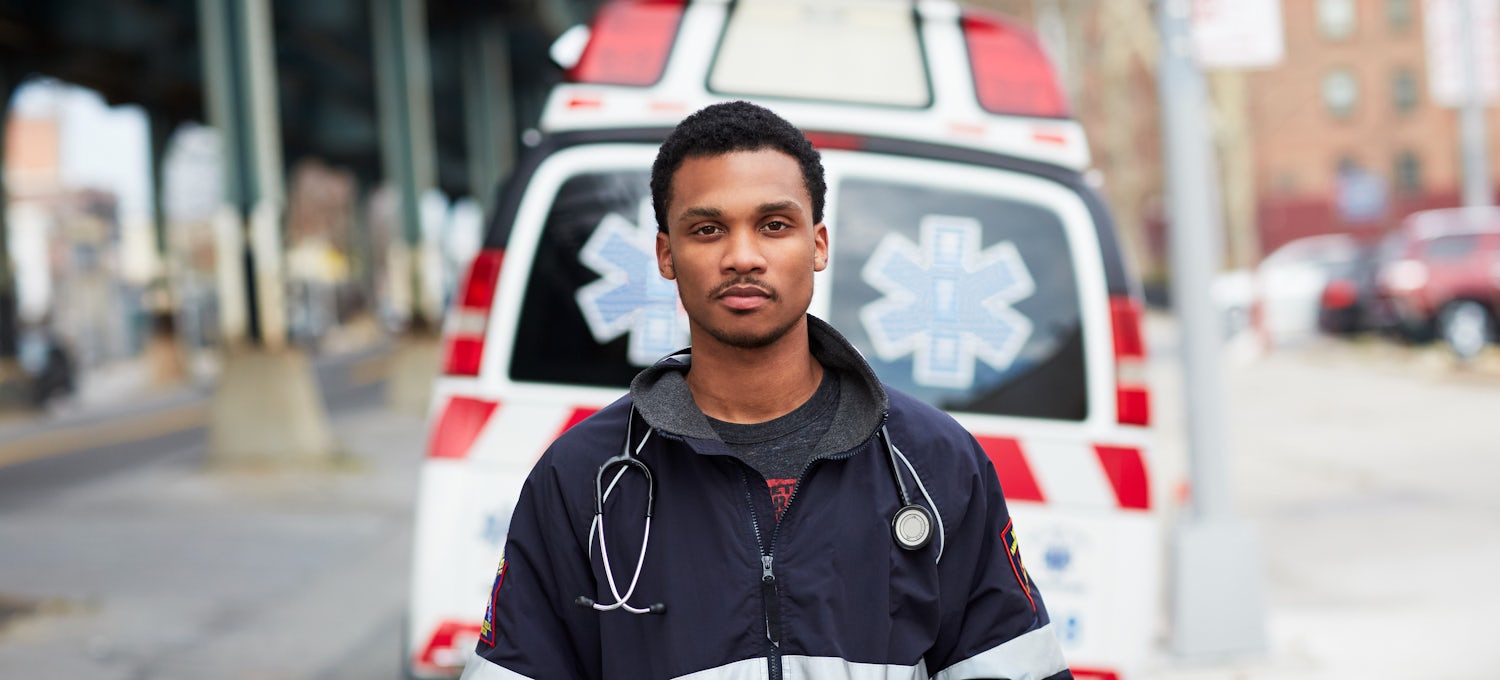
Understanding the Function and Role of EMTs Paramedics, EMTs
Emergency Medical Technicians Also known as paramedics or EMTs, are the first responders to emergencies. They offer immediate assistance. They are certified to evaluate and take care of patients and transport them to medical facilities for additional treatment. EMTs and paramedics play a important part in stabilizing patients during critical times, making split second decisions, and delivering caring care during times of stress.
Step 1: Becoming an EMT:
It is mandatory to complete the education and training program, which may vary depending on what certification level you’re aiming for. There are three levels to EMT Certification exist:
1. EMT-Basic (EMT-B) The EMT-B is the entry-level certification and requires around 100 to 150 hours of instruction. EMT-Bs have been trained to provide basic medical care such as CPR, bleeding control as well as basic airway management.
2. EMT Intermediate (EMT I): EMT I requires an additional level of training, which may differ from state to state. In some areas EMT-I is integrated with EMT-B, while in others, it takes between 200-400 hours of instruction, including the development of medical skills and intravenous therapy.
3. EMT Paramedic (EMT P) EMT-P is the highest certification level for EMTs. The training required to obtain this certification usually ranges from 1,800 to 1,000 hrs. Paramedics are skilled in advanced medical procedures like taking care of patients or interpreting EKGs. They also have expertise in the management of airways that is advanced.
Step 2: Applying for Paramedic Certification:
In order to become a Paramedic, you must first complete the EMTB or EMTI levels as well as gain some practical experience. After that, it is possible to join a paramedic training program, which typically takes about one to two years to complete. In this rigorous course, you’ll be immersed in advanced medical topics and gain the skills and expertise needed to be able to tackle critical situations by yourself.
Take a look EMT Training options:
There are a variety of options available in the field of EMT certification, based upon the level you’d like to attain. Community medical trade schools and colleges generally offer EMT training at all levels of certification. They offer a combination of classroom education as well as hands-on training and experience on the field and in clinical setting.
Schools and universities provide EMT programs at the EMT/Paramedic Level in the event that you’re looking for an in-depth, comprehensive EMT program that can lead to a college degree. These programs offer a more thorough understanding of emergency medical services and give you a broader perspective on the medical care of patients and decision-making.
Step 4: Ensuring DSHS is approved EMS Training:
If you’re aspiring to become an paramedic or EMT, it’s important that the training program chosen by you be approved by DSHS. The Department of State Health Services is the body that approves EMS courses to ensure that they meet high standards of competency and education. By enrolling in a DSHS approved EMS training course, you can rest assured that you are receiving top-notch instruction and meeting the necessary requirements for certification.
Making the transition to EMT or paramedic is an extremely rewarding and prestigious career option. EMTs along with paramedics as well as other emergency responders play an an important roles in providing medical assistance and saving lives during emergencies. To embark on this life-saving journey, aspiring EMTs and paramedics need to complete the necessary training and education programs. Depending on the certification level required, candidates can choose from various EMT programs, including medical trade schools, and universities.
When considering alternatives to training, it’s crucial to make sure that the EMS training program is DSHS accredited. You can be assured that the training you receive will meet all standards necessary to get EMT or paramedic accreditation.
The demand for highly skilled emergency medical professionals continues to grow as the demand for emergency medical professionals continues to increase, joining the field of EMS is a great way to get a job and the possibility of making a an impact on the lives of others. If you are an EMT Basic or are looking to be a paramedic your commitment to the field of critical medical care will pay off with a rewarding and purposeful job in emergency medical services.