Septic tanks play a vital part in managing wastewater particularly for those who aren’t connected to municipal sewers. When it comes to selecting the best septic tank for your needs, homeowners have two main options to consider either precast or concrete. Both have unique considerations and benefits. By understanding the differences homeowners are able to make an informed decision regarding a sustainable method of disposal for wastewater.
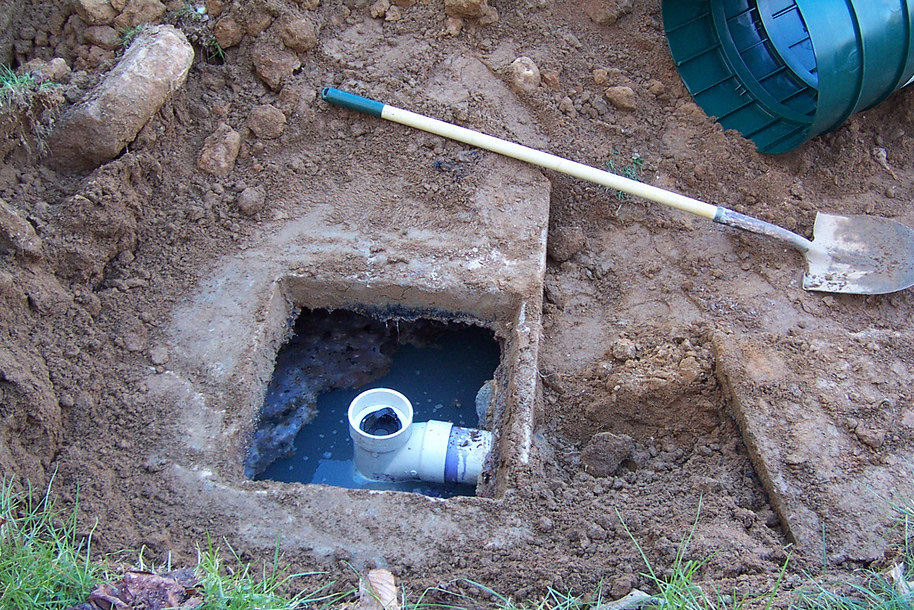
Septic tanks are underground chambers that collect, treat, and disperse the wastewater of commercial and residential properties. Septic tanks are a crucial element in the process of treating wastewater. They permit safe effluent disposal while protecting people and the environment.
Concrete Vs. Precast Septic Tanks What is the best choice for You?
Concrete septic tanks are long been a popular choice because of their strength and endurance. Constructed on-site using poured concrete they are well-known for their strength and ability to stand the test of time. Concrete tanks can be labor-intensive to install and can require a lengthy time.
However, precast septic tanks can be constructed off-site before being delivered to the property ready for installation. They are constructed in controlled conditions that guarantee consistent quality and structural strength. Precast provides the advantages of speedier installation and lower costs.
Precast tanks provide many advantages to property owners who are considering upgrading or replacing their existing septic system. Precast tanks can be assured of meeting the strictest standard of quality because of the controlled manufacturing process. Installation is a speedy and efficient process, which reduces the overall project timelines. For more information, click Septic tanks for sale near me
Maintaining your concrete tank for septic: Strategies to maintain its durability for the long haul
Concrete septic tanks are durable, but they require regular maintenance to ensure their efficiency. Regular pumping and inspection are vital to avoid issues such as blocking or structural damage. Property owners should be mindful of the materials and chemicals that get in the septic system in order to prevent any damages to the tank.
The precast septic tanks were created with sustainability in mind. The tanks are manufactured with sustainable methods that reduce waste and energy usage. Precast tanks are durable and durable, reducing their environmental impact.
Property owners need to consider the specific needs of their property and its characteristics when deciding whether to install an septic system. The decision between precast or concrete tanks is influenced by factors such as soil type, the size of your property, and local laws. Get advice from experts to make informed choices about your individual requirements.
The role of septic Tanks in Sustainable Wastewater Management
Septic tanks play an essential part in the sustainable management of wastewater by providing a cost-effective method of treating and disposing of household effluent. Properly maintaining a septic tank can safeguard surface water, groundwater and local ecosystems.
The right size of septic tank is vital to ensure efficient water treatment and prevent overloaded systems. The dimensions of your property, water consumption, and the number of people living there should all be taken into consideration when selecting the tank size. A proper size tank is essential for effective water treatment and disposal.
Precast septic systems can be made using modern processes that produce top-quality and reliable solutions for wastewater treatment. These tanks are made to meet stringent industry standards and provide property owners with an affordable and reliable option for managing wastewater.
Regular maintenance is essential to ensure optimal performance and durability of tanks for septic. The recommended maintenance schedules must be followed by property owners, which include pumping, inspection and monitoring the system. By prioritizing maintenance for septic tanks, property owners will be able to avoid costly repairs and ensure their long-term functionality.
The layout of a septic tank system is an essential element in sustainable water management. When choosing concrete or precast, the system should be designed to meet the needs of the property and ensure effective treatment and disposal of wastewater. Professional design and installation assistance can assist property owners to design solid and efficient Septic tank systems.
The Environmental and Economic Impact of upgrading to a Precast Septic Tank System
Moving to a precast tank can have beneficial effects on the environment as well as property owners’ finances. The reduced installation time and associated costs for labor with precast tanks can translate into cost savings for property owners. Precast tanks are also a part of sustainable wastewater treatment practices because of their environmental benefits.
The best septic system is crucial for property owners seeking sustainable solutions to manage wastewater. If choosing concrete or precast, property owners must consider durability, efficiency of installation, long-term maintenance, as well as the impact on the environment. Making informed choices, property owners can ensure the effectiveness and sustainability of their septic tanks for the years to come.