In the case of homeownership certain components tend to be hidden from the eye until they call for attention. The septic tank is among that is a crucial but frequently ignored component of a house. It is often overlooked and assume that it can perform its functions without any worry or care. Like all systems, septic tank have an expected lifespan and will eventually require replacement.
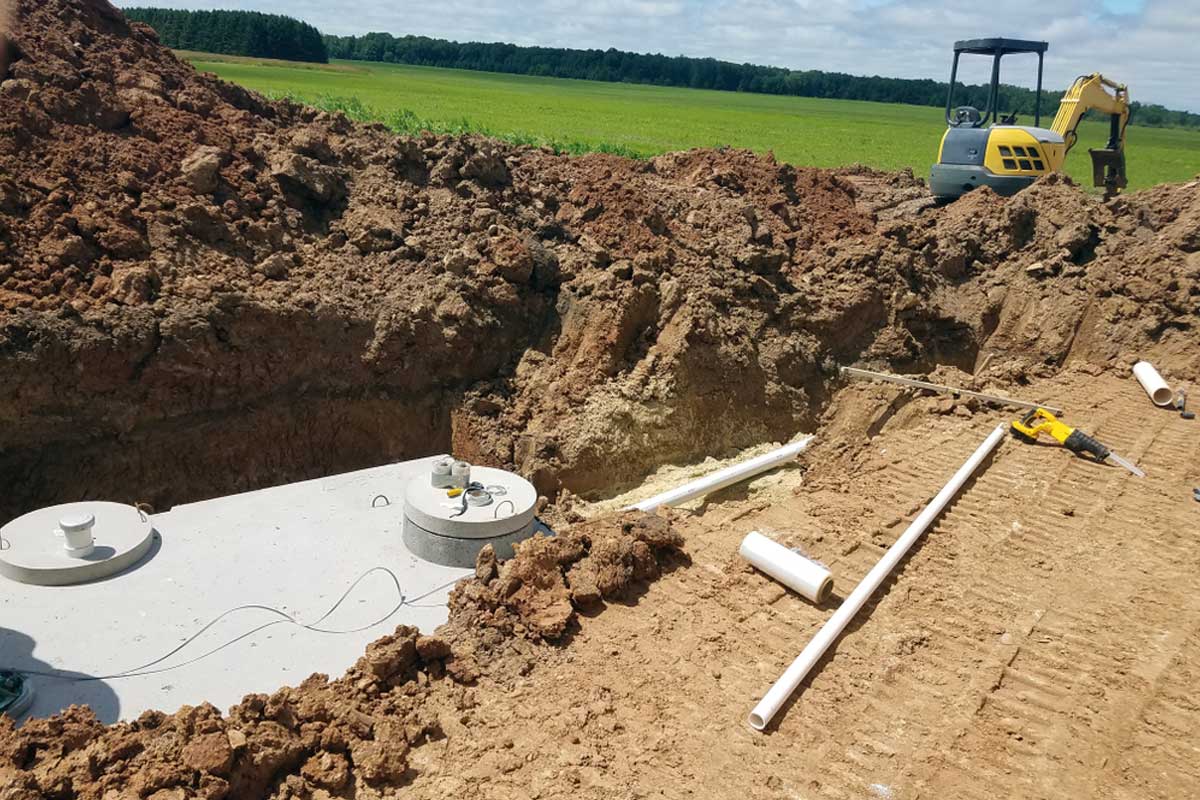
The expense of replacing the septic tank can be the biggest financial burden for homeowners who are not prepared. It is essential to be aware that many factors go into the cost of a septic tank.
Knowing the real cost to replace tanks involves weighing a variety of factors beyond the obvious price label. It’s more than just a matter of removing the old tank and putting in a new one. In fact, many components and services contribute to the overall cost. Every step, from getting permits to hiring professionals and excavation to installation, is a cost. Homeowners need to budget accordingly.
Cost of septic tanks, leach fields and the construction are all important elements to be considered. The price for a new tank will differ based on its dimensions, material and installation complexity. It will also depend on the area of the property, local laws, and the soil conditions. It is crucial to talk with septic system experts who can determine your exact requirements and provide a precise estimate. The experts will look at elements like the size or shape of the leach fields and provide an accurate estimate of the overall costs for your septic system.
In addition to the tank the other major expense is the leachfield or drainfield. This component is crucial to the treatment and dispersal of wastewater. Repairing a damaged or malfunctioning leach field is a meticulous process and could significantly affect the total cost of replacing septic. The size of the leachfield, soil composition and the accessibility are all elements that affect the cost.
The costs of a new septic system is not just tangible, they are also intangible. The process may disrupt your routine, forcing you to temporarily leave your residence or limit the use of water during the installation. This inconvenience should be considered when planning your project as it could affect your day-to-day routine and result in additional expenses.
It is also important to understand that proper maintenance and care of your septic systems is crucial to prolong their service and decrease the chance of premature replacement. Neglecting to perform routine maintenance will result in more severe issues in the near future, like damage to drainfields, or even tank failure. Incorporating septic system maintenance costs in your budget is an excellent decision that will save cash in the end.
By now, you may have realized that determining the septic system cost is not a straightforward task. The cost of a septic tank replacement is determined by a range of elements. They include the size, material and the complexity of installation and the condition of your leach field. Furthermore, the area of your property and the local laws can affect the total cost. In order to accurately estimate the cost, it is crucial to consult with professionals experienced in septic system replacement.
It’s possible to be shocked when you are replacing your septic tank to discover that there are additional costs that you didn’t anticipate. Costs can quickly add to a large amount, so be aware before making any decision.
Hidden costs associated with replacing septic systems can include:
The cost of inspections and permits. Before you can begin working on replacing your septic tank you’ll require a permit from the local authorities. These permits could be expensive and you may be charged extra for inspections.
The cost for excavation and removal. The old septic needs to be removed and dug up before the new system is put in place. This is a costly and costly undertaking, particularly in the event that it is difficult for the user to access the previous system.
The cost of backfilling and Grading. The hole that remains after removing the old system is going to need to be filled and graded. This is essential to ensure that the new system is correctly draining.
The cost of landscaping is a significant expense. You might need to plant a garden in the area following the installation of the new system to maintain it in a neat and tidy manner. It can be costly particularly if landscaping services are required.
Planning for a septic replacement is a good idea to include hidden costs. By doing so you’ll be able to save yourself from surprises in the future.
Eco-friendly septic systems can be a fantastic alternative for homeowners on only a small budget. They are not only cost-effective alternatives to conventional septic systems, they also aid in conserving the environment by minimizing runoff and reducing the amount of water pollution. Eco-friendly systems for septic are becoming more affordable and accessible making them an ideal choice for those looking to reduce the environmental impact of their property without running out of money. Although there could be cost-of-investment initial costs when the switch to an environmentally-friendly system, the extra costs can be more than compensated in savings for the long run. Going green isn’t just a trend, it’s a vital decision that every person should think about if they’re really committed to protecting our planet for the generations to be. With the proper technology, you can guarantee that your home is running efficiently efficient, efficiently, and at a low cost for maintenance.