The push button switches are electrical switches that are operated by pressing a single button. It’s an easy and efficient way to control devices such as lights, doorbells, or alarms. The switch may be instantaneous (the switch will return to its original location after release) or maintained (the switch will remain in the active state until reset manually). The switch type you choose depends on your needs and the degree of control.
Push Button Switches 12V: Powering The Future
Push button switches 12V are a favorite in a wide range of uses, including automotive as well as industrial, marine, and maritime. These switches, which operate at 12 volts make them ideal for vehicles or boats, or any other equipment that needs an effective, reliable control system. The 12V switch is available in both latching and momentary configurations. It is able to control anything from basic light bulbs up to complex systems.
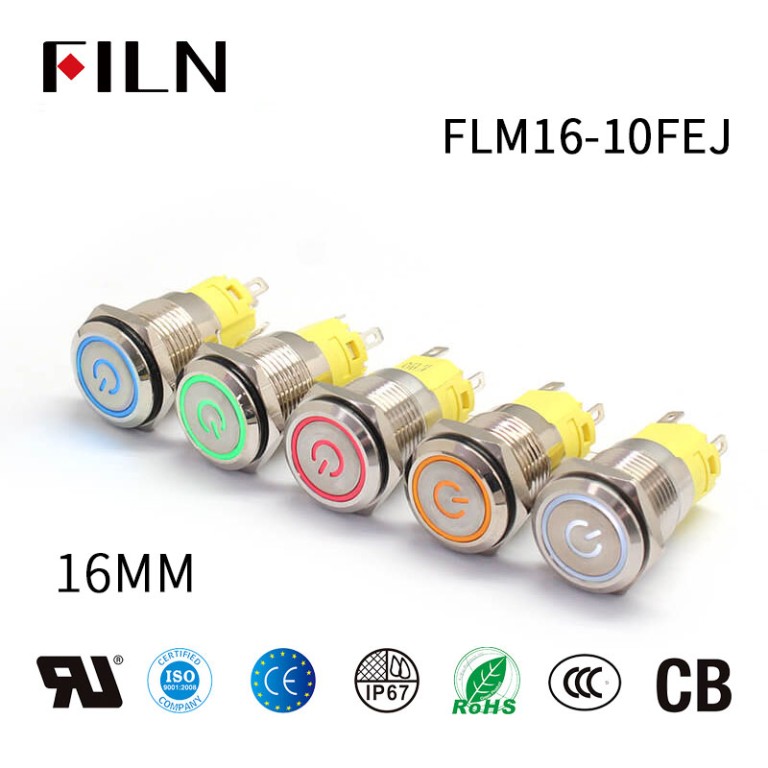
Image credit: indicatorlight.com
The simplicity of using 12V Push Button Switches is a single of their main benefits. They are simple to install and require only minimal wiring, which makes them an ideal choice for DIY enthusiasts as well as professionals too. Additionally, 12V push button switches are extremely reliable and are able to withstand the demands of a lot of usage which makes them a great choice for applications where durability is crucial.
Persistence is the key factor when it when it comes to latching push-button switch
The latching push-button switch is a switch that stays in its active position until it is reset manually. These switches are ideal for devices that needs to remain in a state of either on or off for a prolonged duration. They are often used in industrial control system to regulate pumps and motors as well as other equipment.
Latching push-button switches are famous for their capability to provide a constant signal. This means that the switch will stay in its activated state even if the button is removed, giving a reliable and consistent control signal. The latching push buttons can also be used for numerous applications. They can be used for simple control systems to more complex systems that require multiple switches and relays.
Marine Push Button switches resisting the elements
The push buttons for marine are designed to withstand the harsh marine environment. They are constructed to resist corrosion and are made up of materials like bronze or stainless steel. Marine push buttons are employed in a wide range of functions, including navigation communications, safety, and navigation systems.
When designing marine push button switches it is essential to be able to withstand saltwater’s corrosive impact. Manufacturers employ coatings and special materials to offer high levels of protection against corrosion. Additionally, marine push-button switches are engineered to be durable and can stand up to the stress of long-term use, making them the ideal option for any situation in which safety is paramount.
Push button switches that are waterproof: Sealing the Elements
Push button switches with waterproofing are designed to protect against water and moisture. The membrane that is waterproof or coated is usually used to seal the switches. This stops moisture from getting into the switch. Waterproof push button switch is used in a wide range of applications, including industrial, marine, and outdoor systems.
The simple push button switch has changed considerably from its humble start. They’re now advanced solutions for a variety of applications like industrial, automotive and marine. 12V push button switches, push button switches that latch, marine push button switches and even waterproof push button switches are but some of the numerous types of switches that are available. By understanding the different types of push button switches as well as their purposes engineers and developers can develop more reliable, efficient, and safe systems that meet the demands of a variety of industries. Push button switches can be used to control systems in a variety of ways, be it simple controls that turn on and off or more complicated one that makes use of multiple switches and relays.
Push button switches are expected to become more advanced as technology improves, and will incorporate new materials, wireless communication, and IoT. Understanding these components, regardless of whether you are an engineer, designer, or DIY enthusiast, is essential for building reliable and efficient systems. Filn’s modern designs mean that the future of push button switches holds many possibilities.